

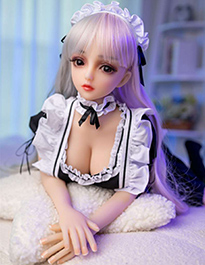


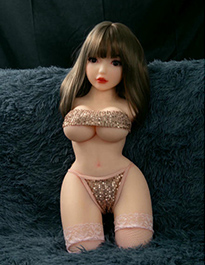


Doll Care & Maintenance
Doll Care & Maintenance Guide: Keep Your Doll Smooth and Well Maintained
Proper care and maintenance can help preserve your doll's surface texture, appearance, and overall condition. With suitable cleaning, drying, and material-specific care, you can reduce unnecessary wear and keep your doll in good condition over time.
Because TPE and silicone have different material properties, always follow the manufacturer's recommendations before applying oils, powders, or other conditioning products.
Step-by-Step Doll Care Instructions
1. Clean and Dry the Surface
Before applying any care product, gently clean the surface using a method approved for your doll's material.
Remove any residue with a clean, damp cloth when appropriate, then allow the surface to dry completely. Applying maintenance products to a damp or dirty surface may trap moisture or residue.
2. Choose a Compatible Conditioning Product
Some materials may benefit from occasional conditioning, while others require little or no additional treatment.
Before applying mineral oil or another conditioning product, confirm that it is compatible with your specific TPE formulation or silicone model.
If the manufacturer recommends a conditioning product, apply only the amount specified in the care instructions. Avoid unapproved oils, solvents, and household products that may affect the surface.
3. Allow the Surface to Settle
Follow the manufacturer's instructions for any recommended conditioning treatment. Allow the surface to reach the recommended condition before handling or storing the doll.
Avoid excessive product application, which may leave residue, attract dust, or make the surface unnecessarily slippery.
4. Apply a Suitable Finishing Powder if Recommended
Some TPE dolls may benefit from a compatible finishing powder to help reduce surface tackiness and maintain a smooth feel.
Only use a product approved for your doll's material, and follow the manufacturer's application instructions. Avoid inhaling airborne powder and remove any excess rather than allowing it to accumulate.
Do not assume that baby powder or talcum powder is suitable for every doll or every material.
Recommended Maintenance Frequency
The ideal maintenance schedule depends on the material, frequency of use, storage conditions, and manufacturer's guidance.
-
Routine cleaning: As needed and according to the product instructions.
-
Finishing powder: Only when recommended and when the surface requires it.
-
Conditioning products: Use only when the manufacturer specifies that they are suitable and necessary.
Avoid following a rigid schedule simply for the sake of routine maintenance. Excessive cleaning or unnecessary product application may do more harm than good.
Why Proper Material Care Matters
Over time, environmental conditions, repeated handling, and incompatible cleaning products may affect a doll's surface condition.
TPE formulations can contain oils or other additives that influence their softness and flexibility. Changes in surface texture do not necessarily mean the material needs additional mineral oil.
A suitable maintenance routine can help:
-
Keep the surface clean and free from residue.
-
Reduce unnecessary friction during handling.
-
Minimize dust accumulation and color transfer.
-
Protect the material from unsuitable cleaning products.
-
Maintain the product's appearance through appropriate storage.
If the surface becomes unusually sticky, oily, discolored, or damaged, consult the manufacturer before applying additional products.
Extend Your Doll's Lifespan
Good maintenance starts with using the right products in the right amounts. Clean the doll appropriately, allow it to dry thoroughly, protect it from excessive heat and direct sunlight, and store it in a clean, suitable environment.
For the best results, follow the care instructions supplied with your specific model. Material-appropriate maintenance helps preserve the doll's condition without introducing unnecessary treatments.